
Modular Spreader Beam Guide
Understanding modular spreader beam systems, how they work, where they are used and how to select the right configuration.
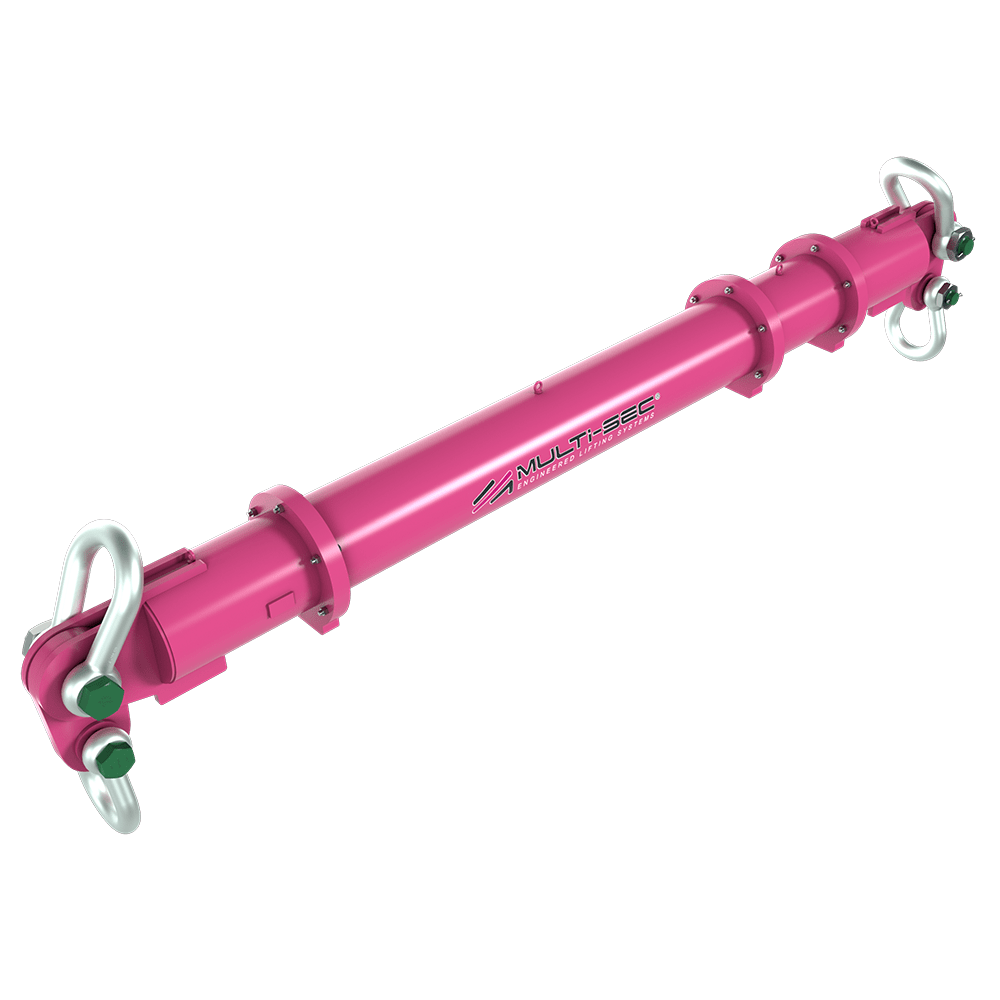
A modular spreader beam is a configurable lifting system designed to distribute lifting forces across two or more lifting points, improving stability when handling heavy, oversized or structurally sensitive loads.
Unlike a fixed spreader beam, a modular spreader beam is assembled from interchangeable struts and end units, allowing the same system to be configured in different spans and capacities for multiple lifting applications.
This guide explains what modular spreader beams are, how they work, their main advantages, typical applications, capacity considerations and the standards that apply to engineered lifting systems.
How Does a Modular Spreader Beam Work?
Modular spreader beams are assembled from interchangeable components that allow the overall beam span to be configured for different lifting operations. This flexibility enables a single beam system to be used across multiple projects while maintaining certified lifting capacities.
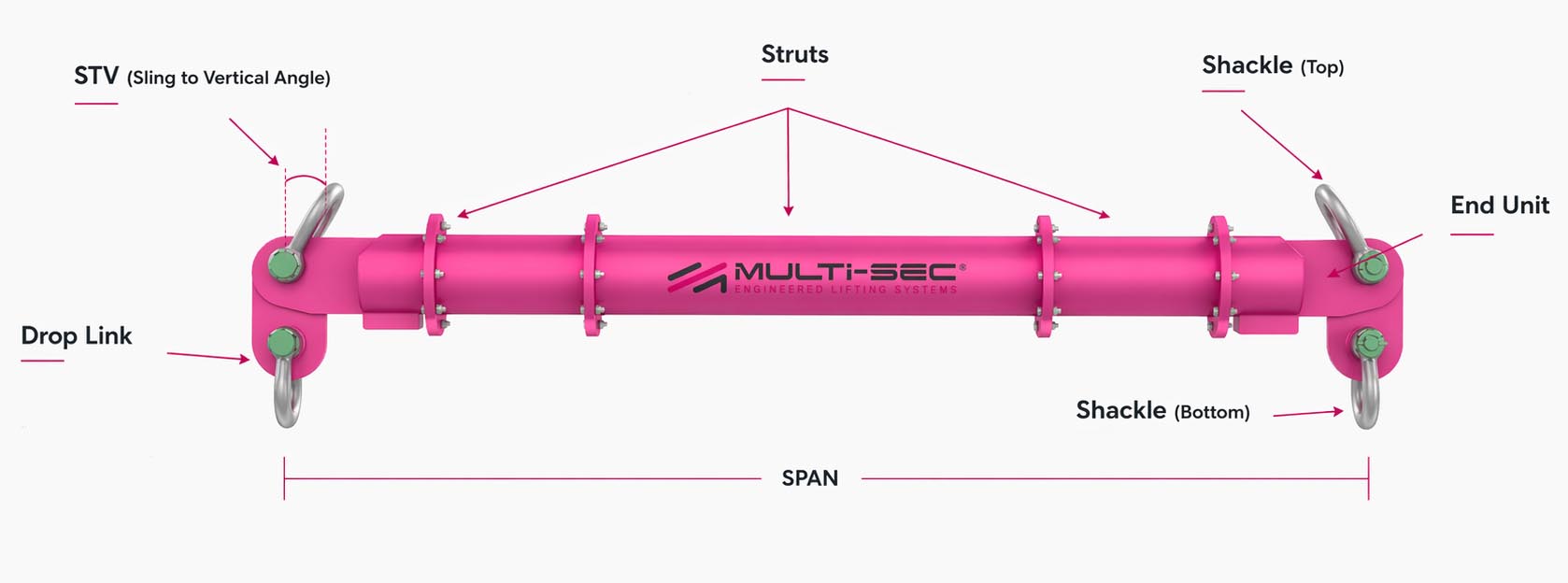
End Units
End units form the primary lifting connection points and transfer load into the modular beam assembly.
Intermediate Struts
Interchangeable strut sections are bolted between the end units to create the required beam span.
Drop Links & Shackles
Drop links and shackles provide the connection between the beam and the load, ensuring lifting forces are transferred safely.
Configurable Span
By changing the combination of struts, the same beam system can be assembled in multiple lengths to suit different lifting operations.
Modular vs Fixed Spreader Beams
Both modular and fixed spreader beams are designed to distribute lifting forces across multiple lifting points. The key difference is flexibility. A fixed spreader beam is manufactured for a specific span and application, whereas a modular spreader beam can be reconfigured using interchangeable components to suit different lifting requirements.
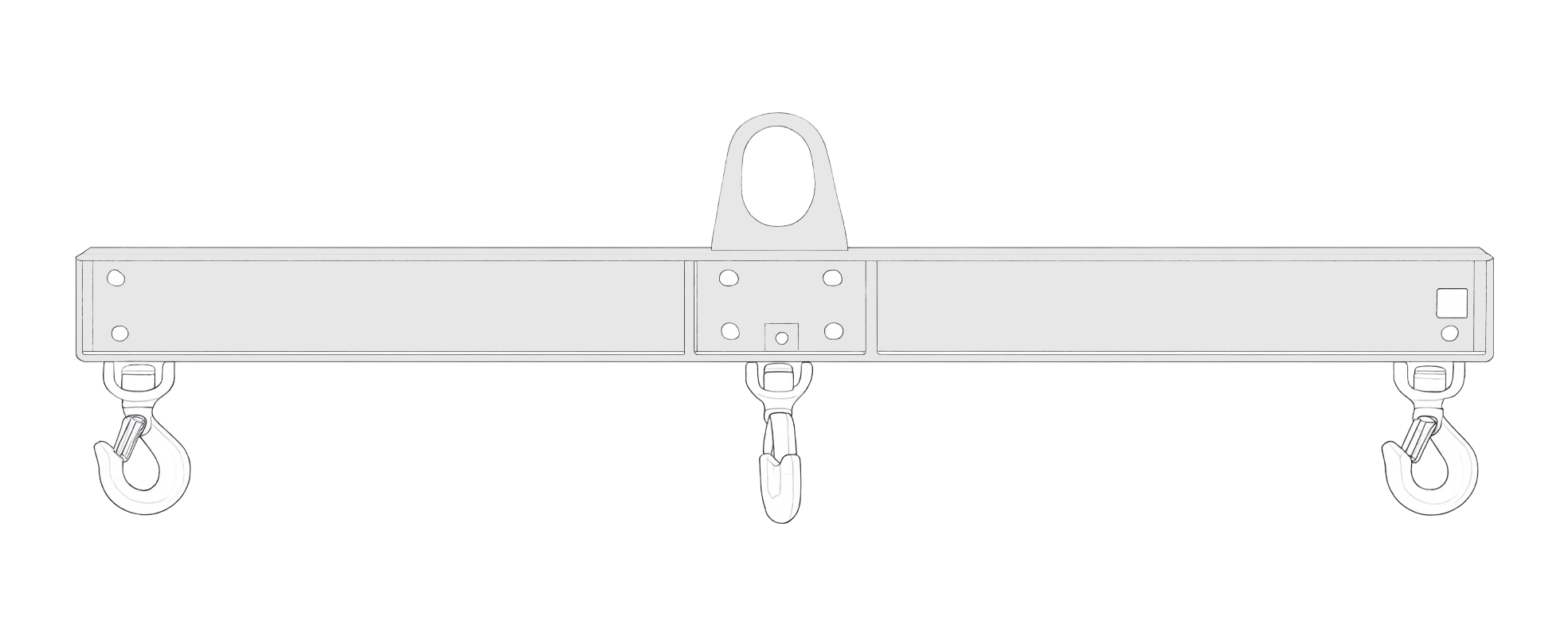
Fixed Spreader Beam
- Single span configuration
- Designed for a specific lifting application
- Ideal for repetitive lifting operations
- Typically larger to transport and store
- Separate beam required for different spans
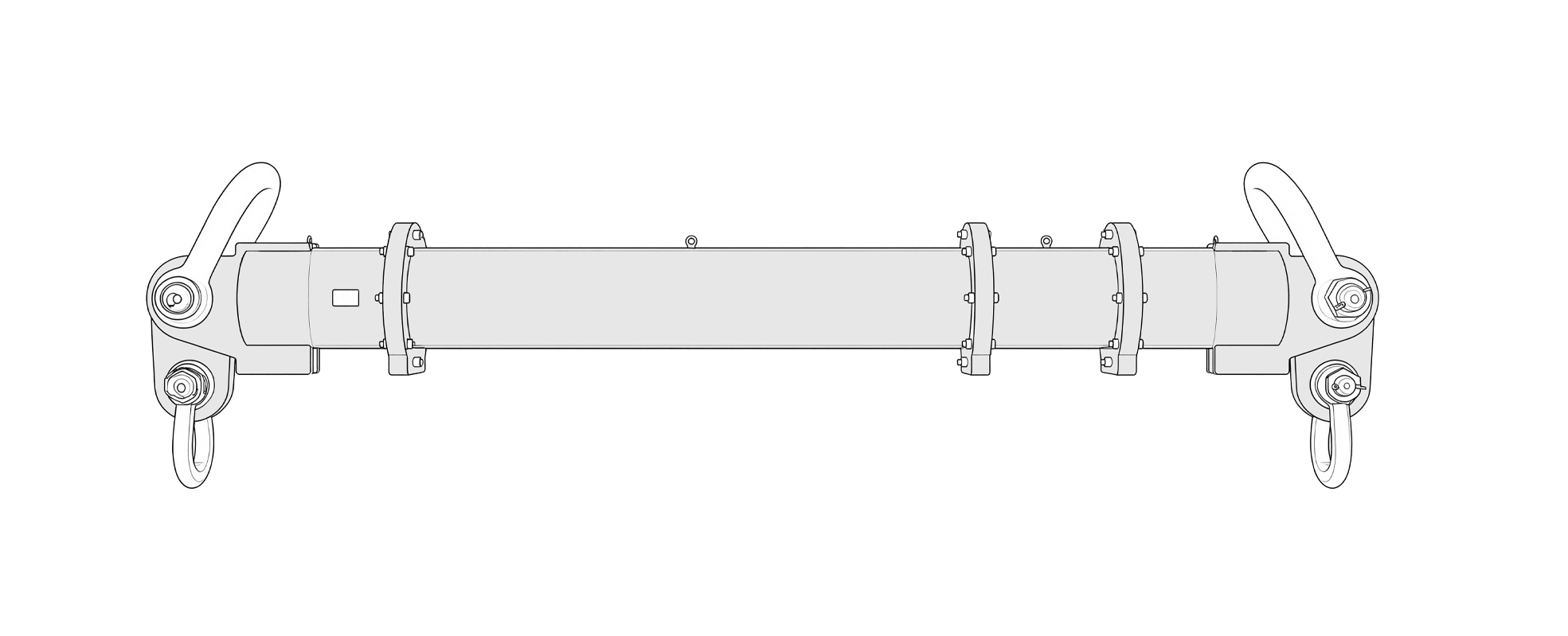
Modular Spreader Beam
- Multiple span configurations
- One system for numerous lifting projects
- Reduced transport and storage requirements
- Components can be replaced individually
- Suitable for changing project requirements
Why Many Contractors Choose Modular Systems
For organisations carrying out multiple lifting projects throughout the year, a modular spreader beam can reduce equipment inventories, simplify logistics and provide greater flexibility than maintaining several fixed spreader beams of different lengths.
Typical Applications of Modular Spreader Beams
Modular spreader beams are used across a wide range of industries where lifting requirements vary between projects. Their configurable span, transport efficiency and ability to support multiple lift arrangements make them particularly valuable for contractors managing diverse lifting operations.
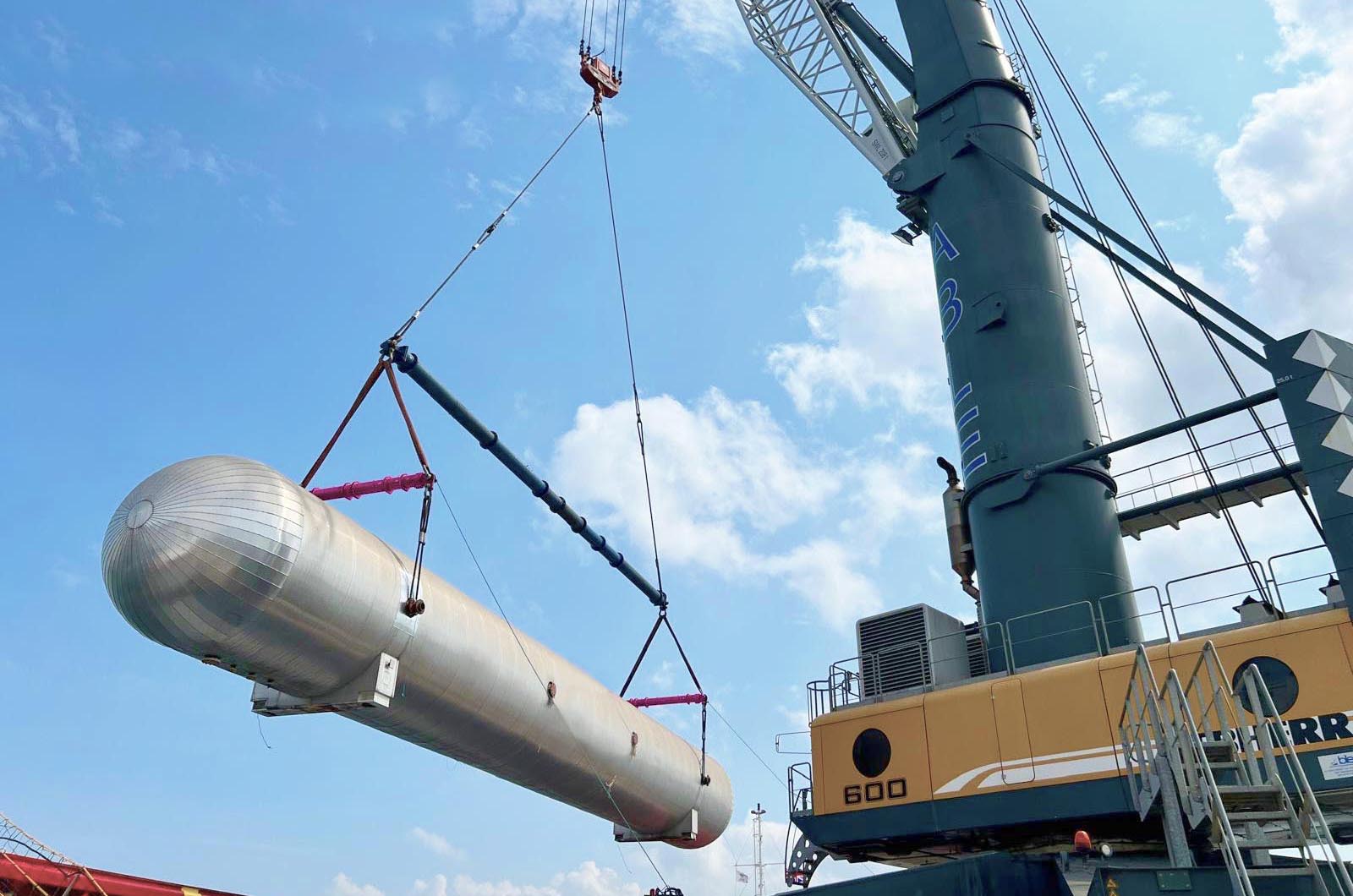
Offshore Wind
Used for lifting monopiles, transition pieces, nacelles and other large wind turbine components where stability, certification and controlled load distribution are critical.
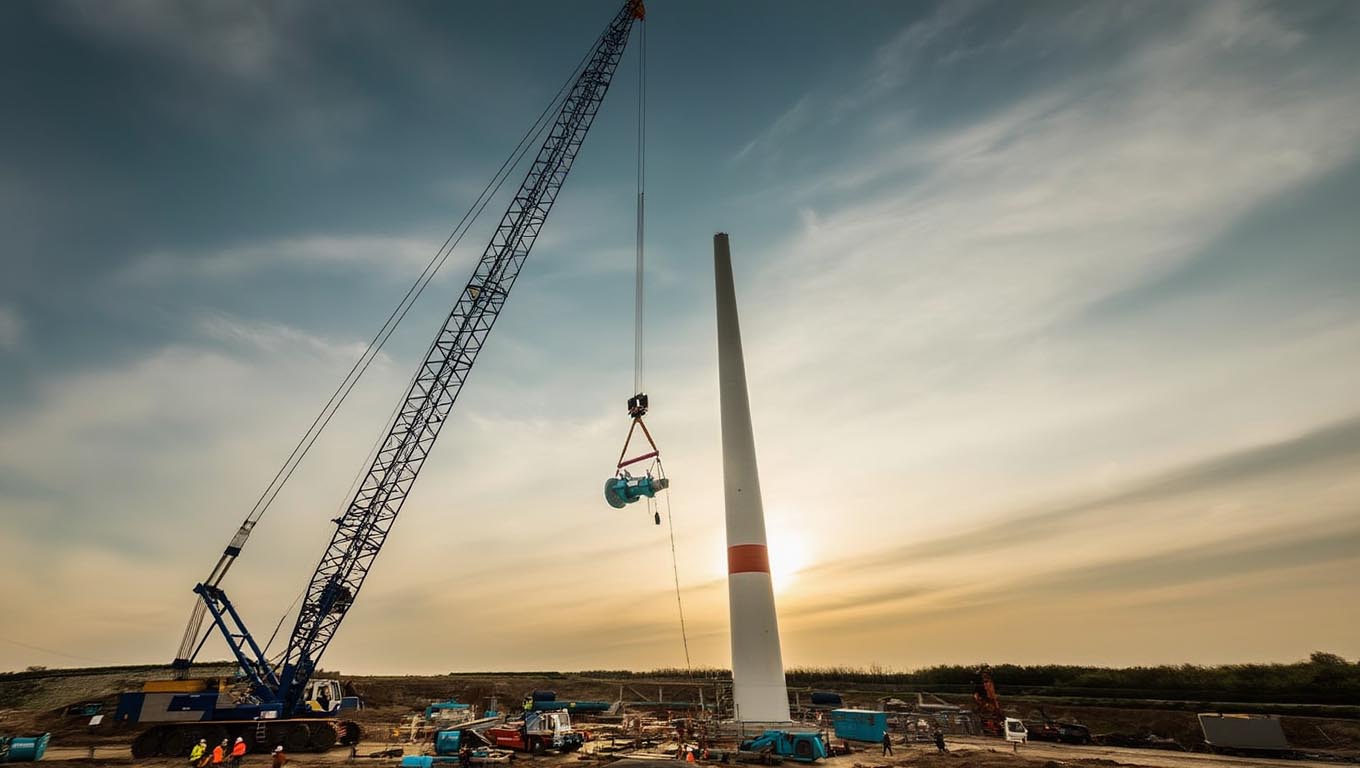
Ports & Marine
Supporting the handling of pontoons, vessel sections, marine structures and heavy cargo where lifting spans may vary from one project to the next.
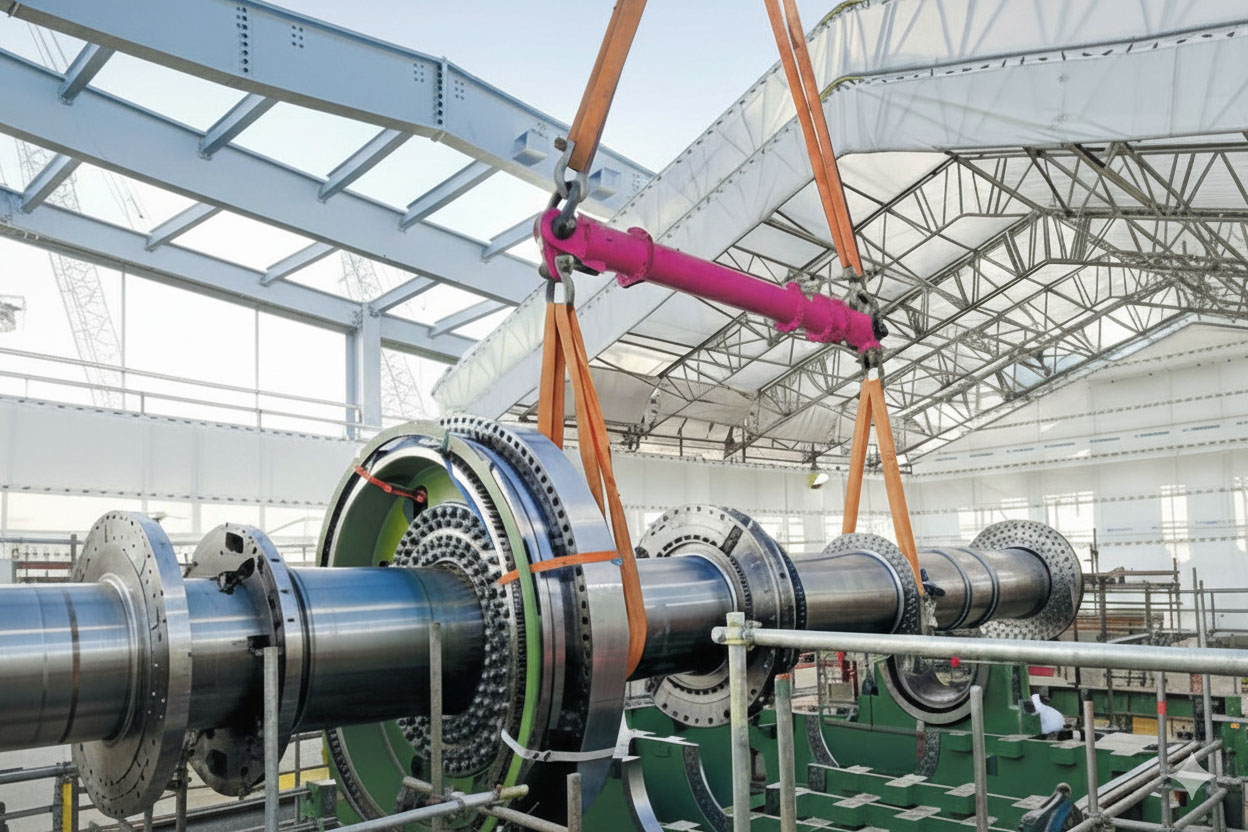
Heavy Engineering
Used for machinery, fabricated steelwork, process equipment and industrial structures where lifting points are widely spaced or load stability is essential.
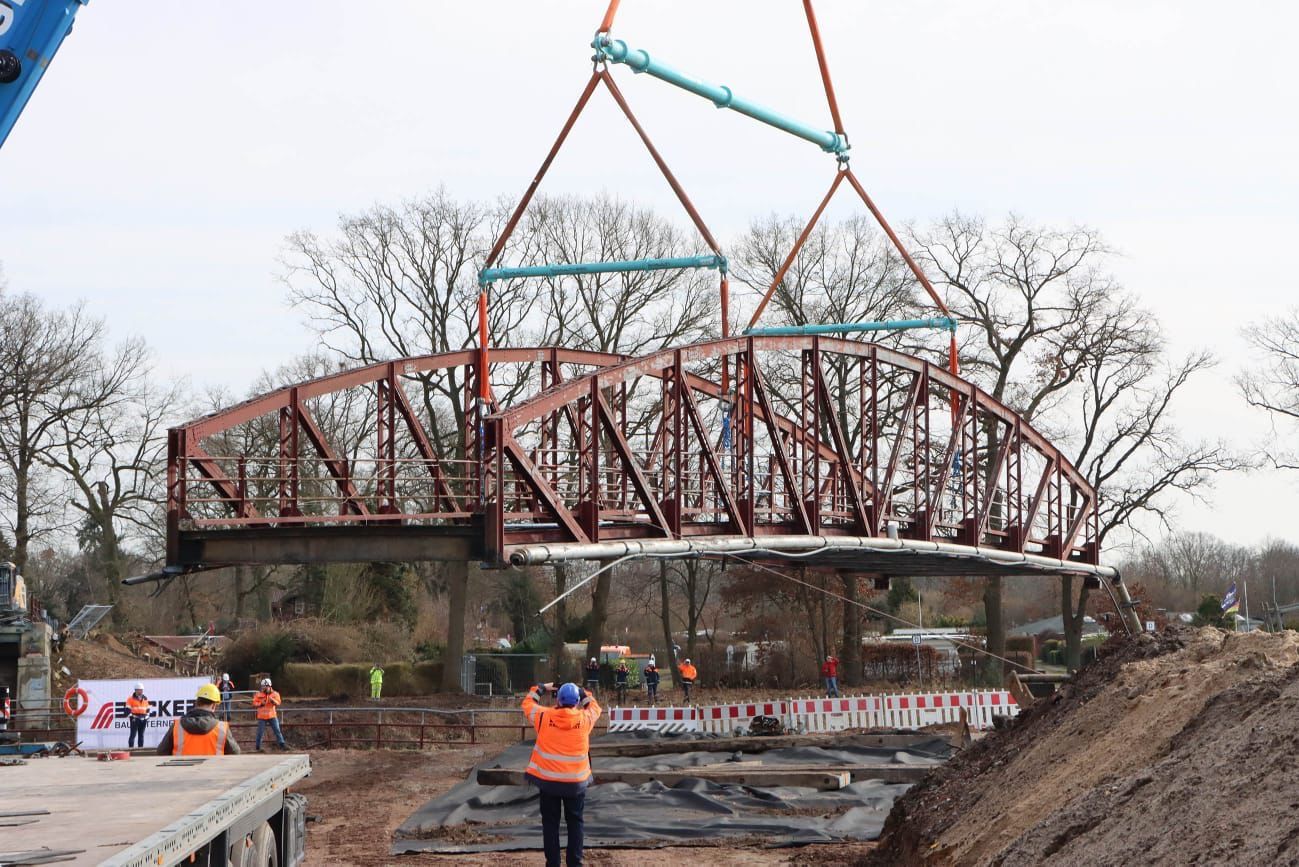
Infrastructure Projects
Supporting bridge components, precast concrete sections, structural steelwork and other large construction elements requiring controlled multi-point lifting arrangements.
One System. Multiple Projects.
One of the primary advantages of a modular spreader beam is its ability to be reconfigured for different lifts. By changing the combination of struts and end units, the same system can be deployed across offshore, marine, industrial and infrastructure projects without requiring a separate beam for each span.
Why Modular Spreader Beams Are Popular in Offshore Wind
Offshore wind projects often involve multiple lifts across different components, vessels and installation phases. Modular spreader beams provide the flexibility to configure different spans using the same system, reducing transport requirements and supporting efficient project mobilisation.
Combined with engineering documentation, proof load testing and DNV Type Approval, modular systems are a strong solution for offshore wind and marine lifting operations.
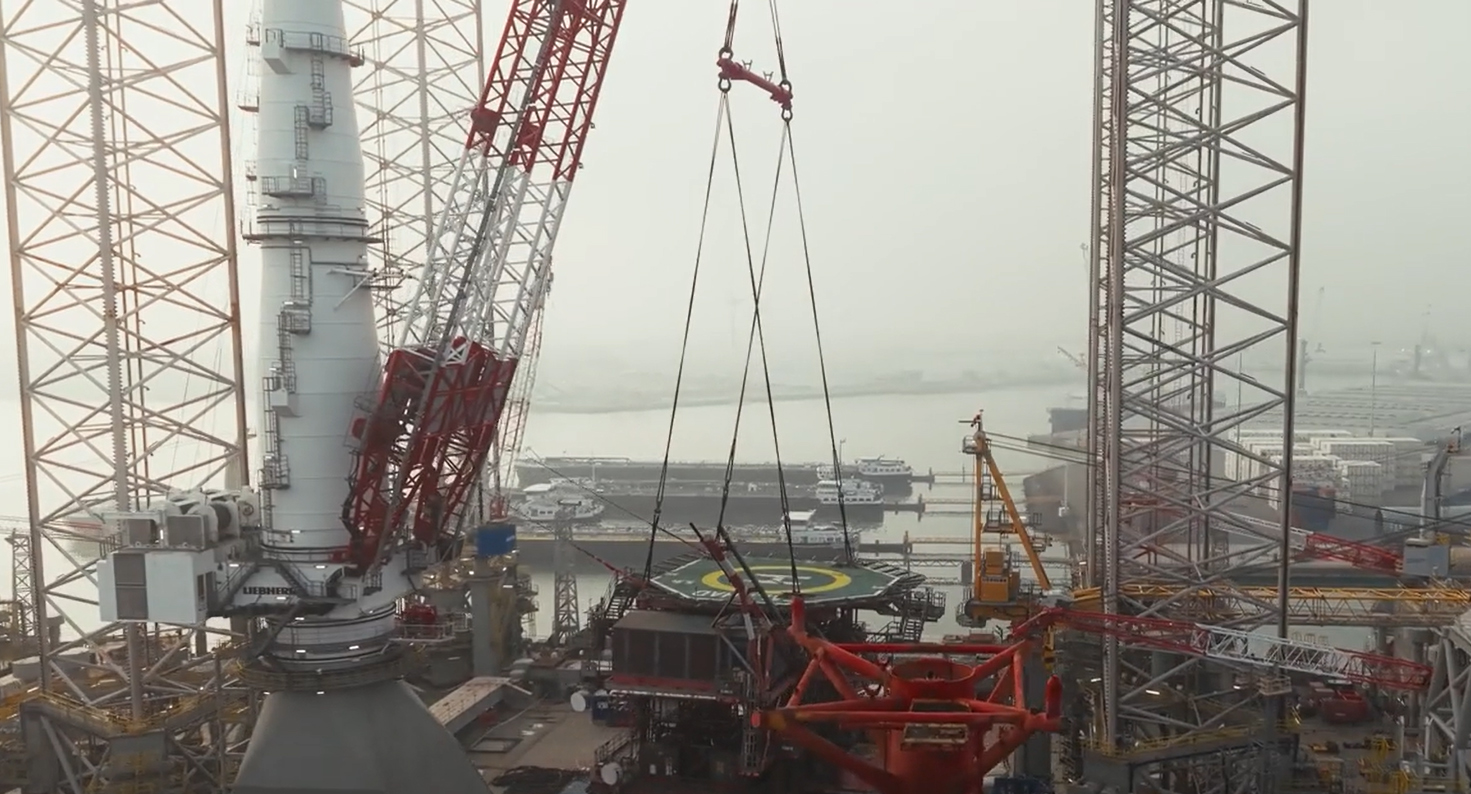
DNV Type Approved Modular Spreader Beams
One of the key advantages of the Multisec modular spreader beam range is DNV Type Approval. This independent third-party verification provides confidence that the system has been reviewed against recognised offshore lifting requirements and engineered for demanding lifting environments.

Third-Party Verification
DNV Type Approval provides independent verification of the modular spreader beam system, offering assurance that the design has been assessed against recognised offshore lifting requirements.
Designed for Offshore Projects
Modular spreader beams are frequently specified for offshore wind, marine construction and heavy lift projects where documentation, certification and engineering verification are critical.
Supporting DNV-ST-0378 Compliance
DNV-ST-0378 is one of the most widely recognised standards for offshore lifting equipment. It addresses structural design, material traceability, testing, inspection and certification requirements for lifting appliances.
Standard Modular Beam Range
Maximum Standard Span
Type Approved System
Want to Learn More About DNV-ST-0378?
Explore our guide explaining DNV-ST-0378, offshore lifting equipment requirements and why the standard is widely specified throughout the offshore wind and marine sectors.
Modular Spreader Beam FAQs
What is a modular spreader beam?
A modular spreader beam is a configurable lifting system made from interchangeable end units and struts. It can be assembled into different spans and capacities to suit different lifting operations.
How does a modular spreader beam work?
A modular spreader beam works by transferring lifting forces through the beam in compression. Top slings connect to the beam ends, while bottom rigging connects the beam to the load.
What is the difference between a modular and fixed spreader beam?
A fixed spreader beam has one set span, while a modular spreader beam can be reconfigured using different strut combinations to create multiple spans from the same system.
Are modular spreader beams suitable for offshore lifting?
Yes. Modular spreader beams are widely used in offshore wind, marine construction and heavy lift projects where configurable spans, transport efficiency and certification are important.
What is the maximum span of a Multisec modular spreader beam?
The standard Multisec modular spreader beam range includes models with spans up to 22 metres, depending on model, configuration, sling angle and certified load data.
What standards apply to modular spreader beams?
Modular spreader beams may be designed and verified to standards such as BS EN 13155, Eurocode 3 and DNV-ST-0378, depending on the lifting application and project requirements.
How do I choose the right modular spreader beam?
Selection depends on load weight, span, lifting points, headroom, sling angle, centre of gravity, environment and certification requirements. Final selection should always be confirmed against approved technical data.
Need Help Selecting a Modular Spreader Beam?
Speak to the Multisec team for guidance on beam capacity, span configuration, lifting geometry, DNV requirements and project-specific lifting equipment selection.