What Is a Spreader Beam?
A Complete Guide to Spreader Beams, How They Work, Common Applications & Industry Standards
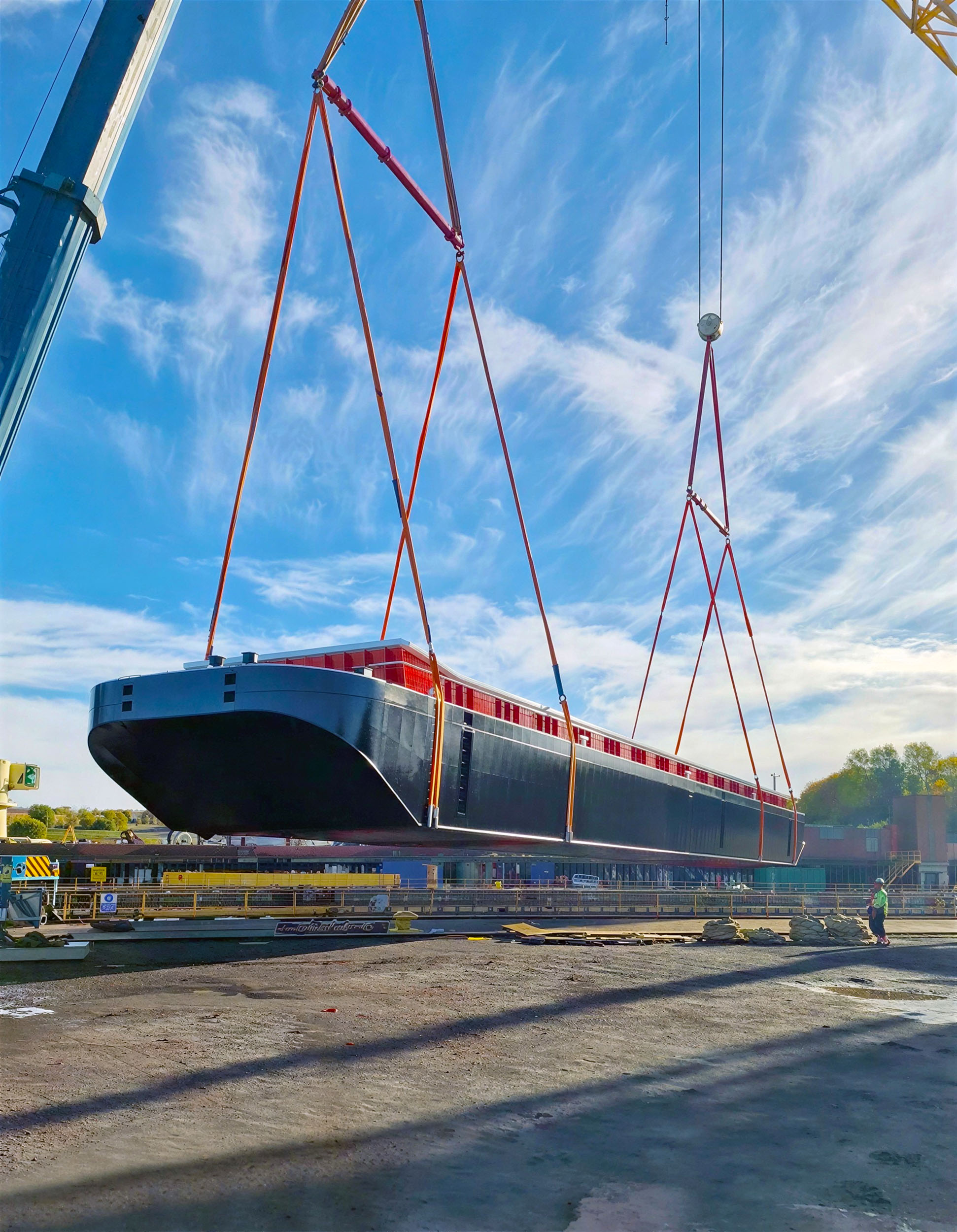
A spreader beam is a below-the-hook lifting device used to distribute lifting forces across multiple lifting points. By transferring load through compression rather than bending, spreader beams provide a stable and efficient lifting solution for long, heavy or structurally sensitive loads.
Widely used throughout offshore wind, marine construction, ports, heavy engineering and infrastructure projects, spreader beams help improve load stability, control sling forces and reduce stress on the load during lifting operations.
This guide explains what a spreader beam is, how it works, the different types available, typical applications, design standards and key factors to consider when selecting a spreader beam for a lifting project.
How Does a Spreader Beam Work?
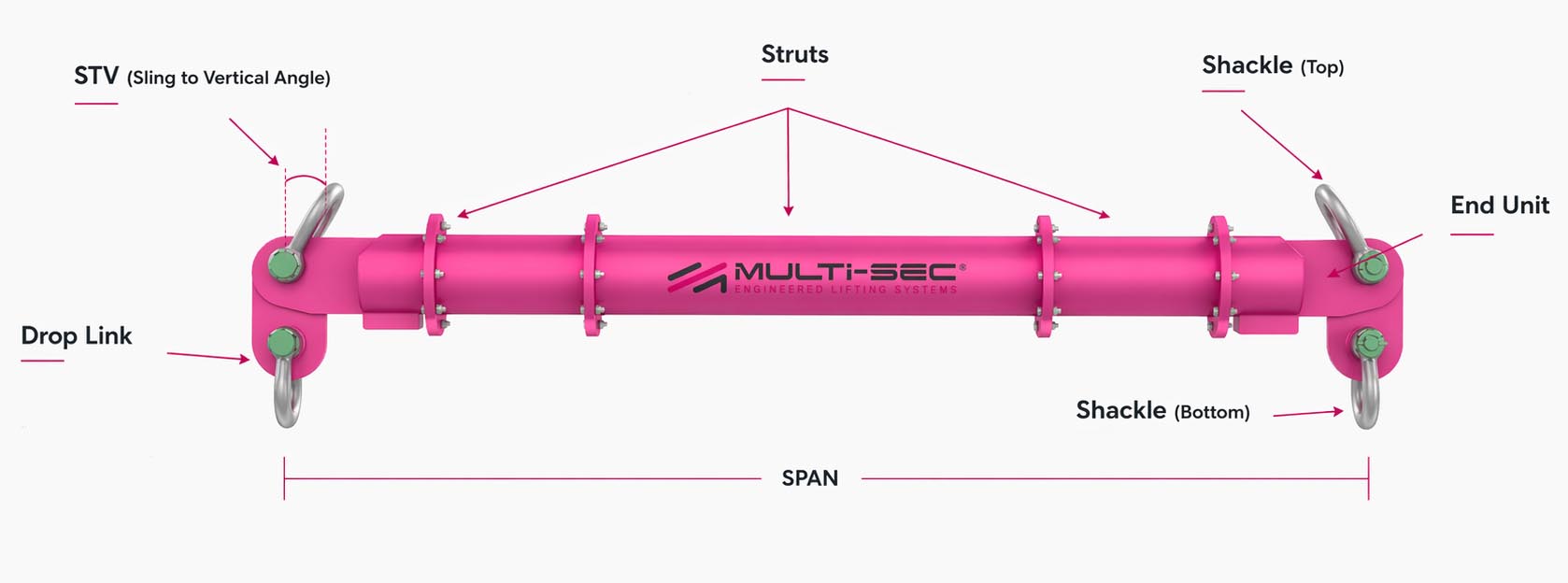
A spreader beam works by transferring lifting forces through the beam in compression, while bottom slings distribute the load across two or more lifting points.
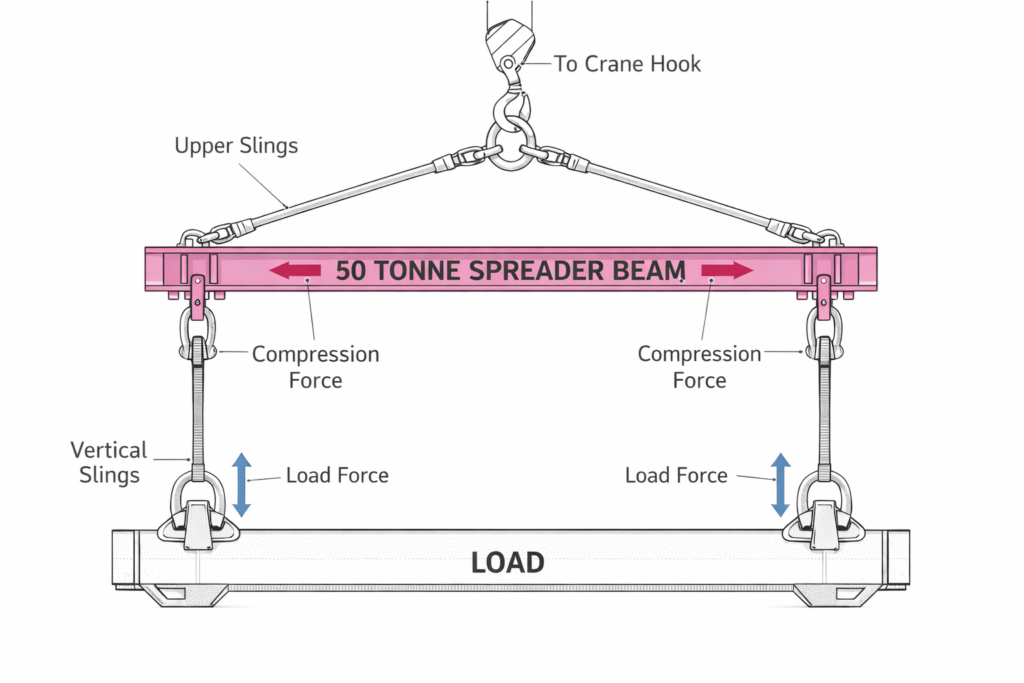
The crane connection uses top slings to transfer lifting force into the spreader beam, creating a stable two-point lifting arrangement.
A spreader beam is primarily loaded in compression between the top sling connection points, helping reduce bending forces in the beam.
Bottom slings connect the beam to the load, spreading lifting forces across multiple points for improved stability, balance and control.
Types of Spreader Beams
The main types of spreader beams are fixed spreader beams, adjustable or telescopic spreader beams, and modular spreader beams. Specialist variations such as bespoke spreader beams, heavy lift spreader beams and offshore spreader beams are usually developed from one of these core configurations.
Fixed & Bespoke Spreader Beams
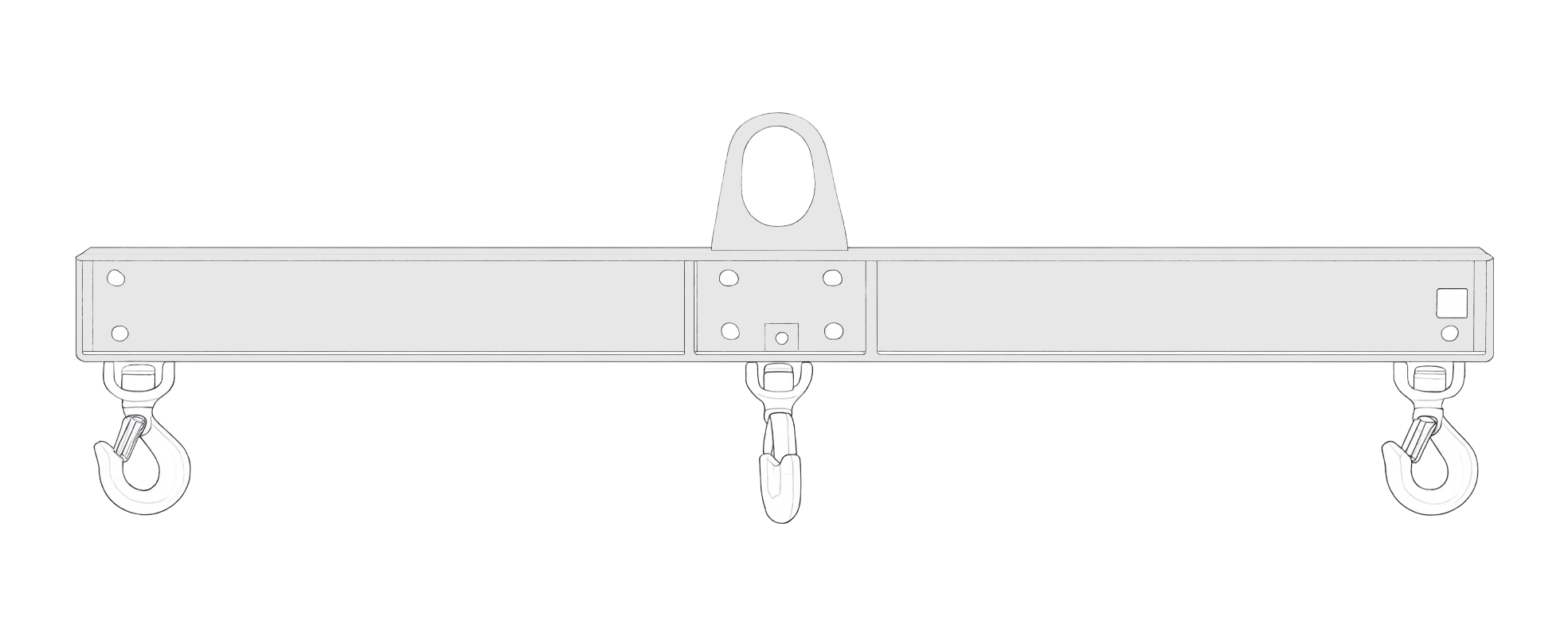
Fixed spreader beams are manufactured to a set span and are used where the lifting arrangement, load size and lifting point positions remain consistent. They are often selected for repetitive lifting operations or dedicated project lifts.
Bespoke spreader beams follow the same principle but are engineered around a specific load, capacity, centre of gravity, headroom restriction or site requirement.
- Permanent lifting span
- Suitable for dedicated lifting operations
- Can be custom designed for specific loads
Adjustable & Telescopic Spreader Beams
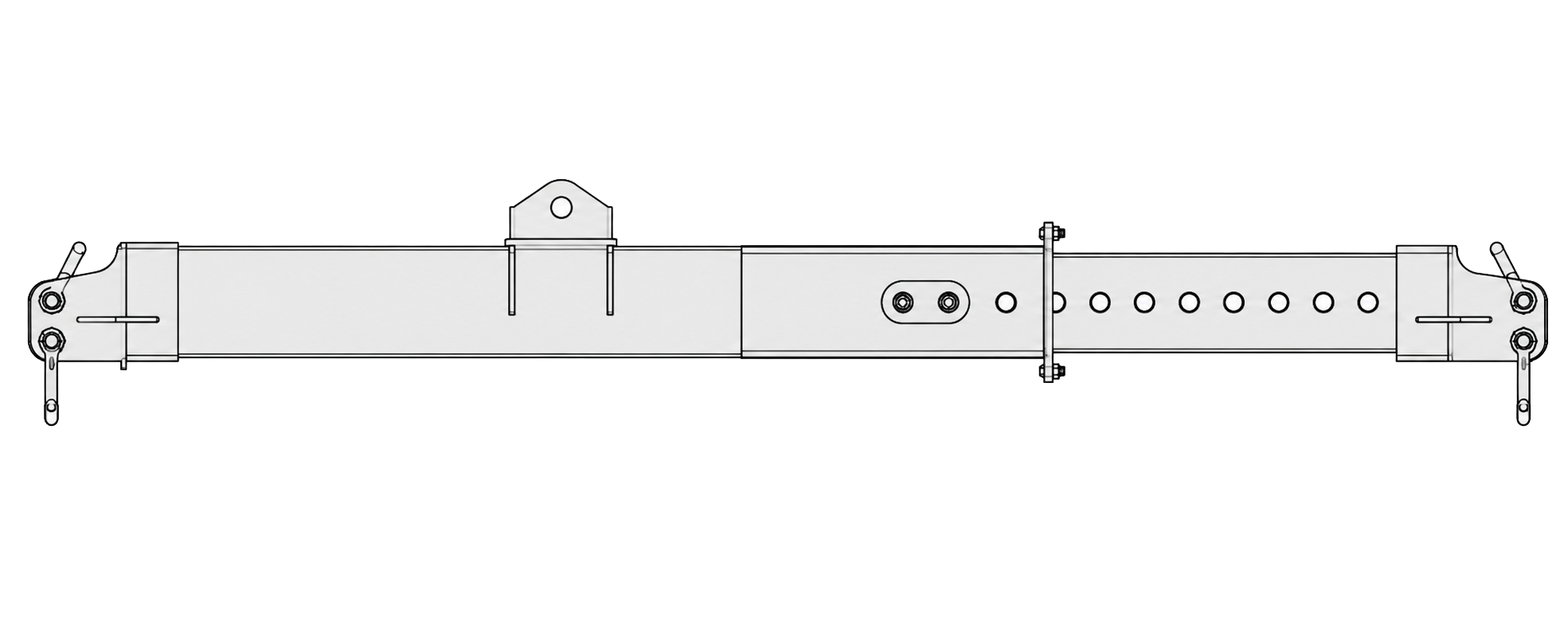
Adjustable spreader beams, often referred to as telescopic spreader beams, allow the span to be altered to suit different load widths, lifting point positions and rigging arrangements.
This makes them useful where one beam is required to support multiple lifting operations, reducing the need for several fixed spreader beams across different load sizes.
- Variable span adjustment
- Useful for different lifting point positions
- Can be designed as a bespoke adjustable lifting solution
Modular Spreader Beams
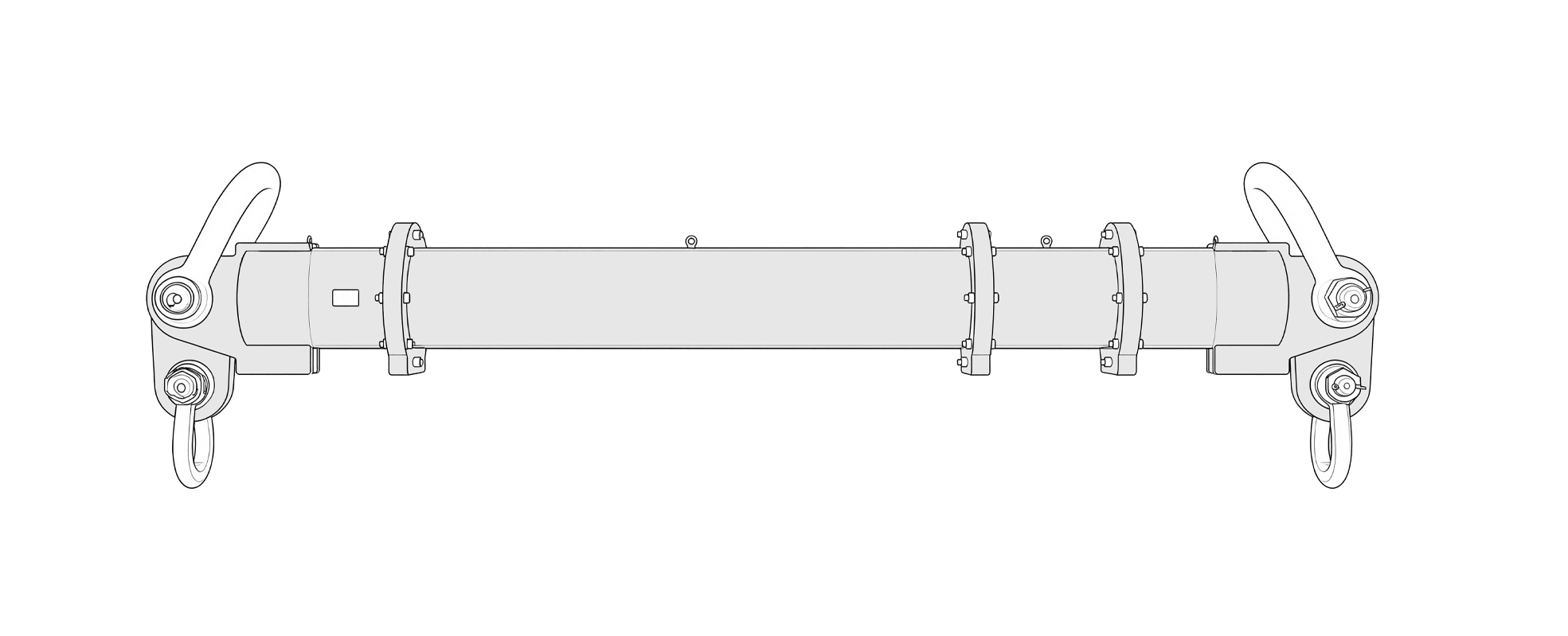
Modular spreader beams use interchangeable struts, end units and bolted connections to create multiple span and capacity configurations from a single system.
They are commonly used for heavy lifting, offshore lifting, construction projects and engineered lift plans where flexibility, transportability and multiple configurations are important.
- Interchangeable beam sections
- Multiple span and capacity options
- Suitable for heavy lift and offshore applications
Typical Applications of Spreader Beams
Spreader beams are used wherever a load needs to be lifted from multiple points while maintaining stability and controlling lifting forces. They are commonly used throughout offshore wind, marine operations, construction, heavy engineering and specialist lifting projects.
Offshore Wind
Used for lifting turbine components, monopiles, transition pieces, nacelles and other large offshore wind structures where stability and load control are critical.
Ports & Shipping
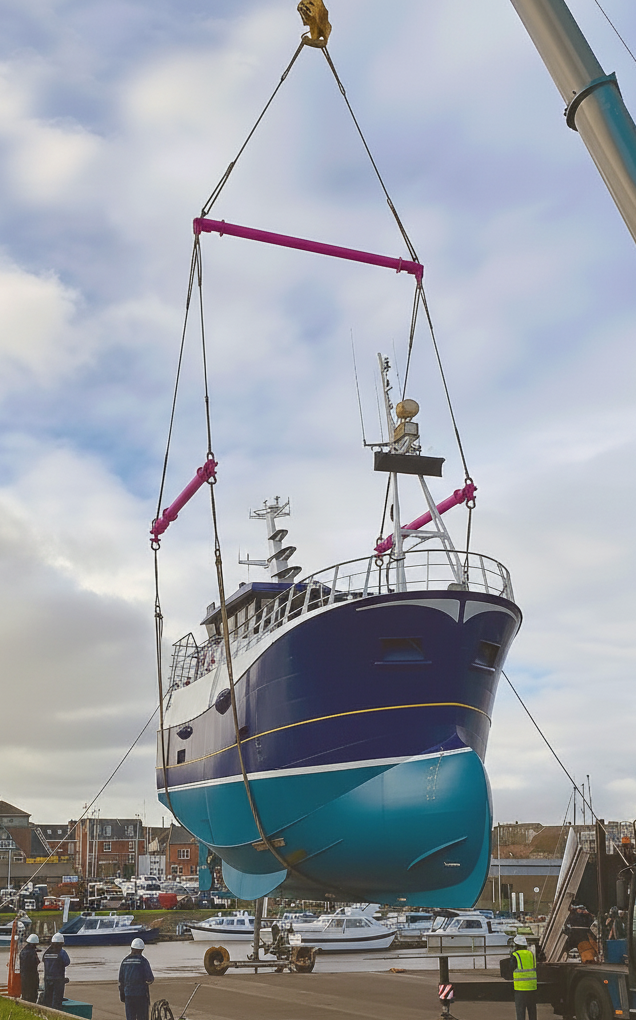
Used for handling cargo, marine equipment, vessel components and fabricated structures during loading, unloading and heavy lift operations.
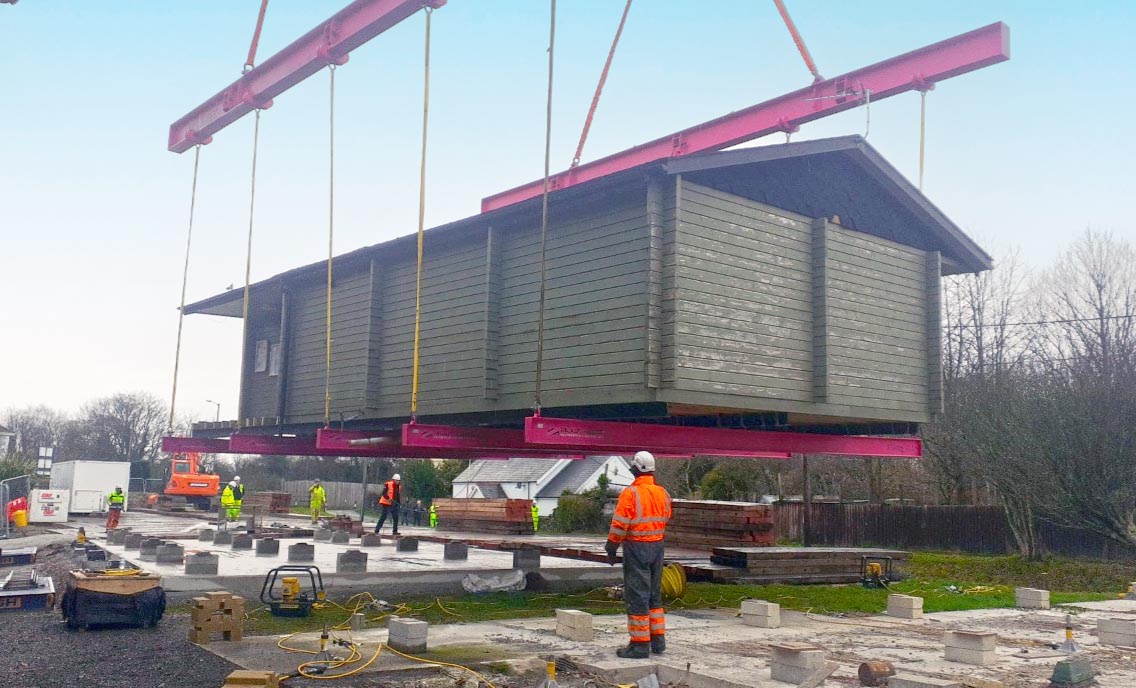
Construction & Infrastructure
Used for lifting structural steelwork, bridge sections, precast concrete elements and large assemblies where forces need to be distributed across multiple lifting points.
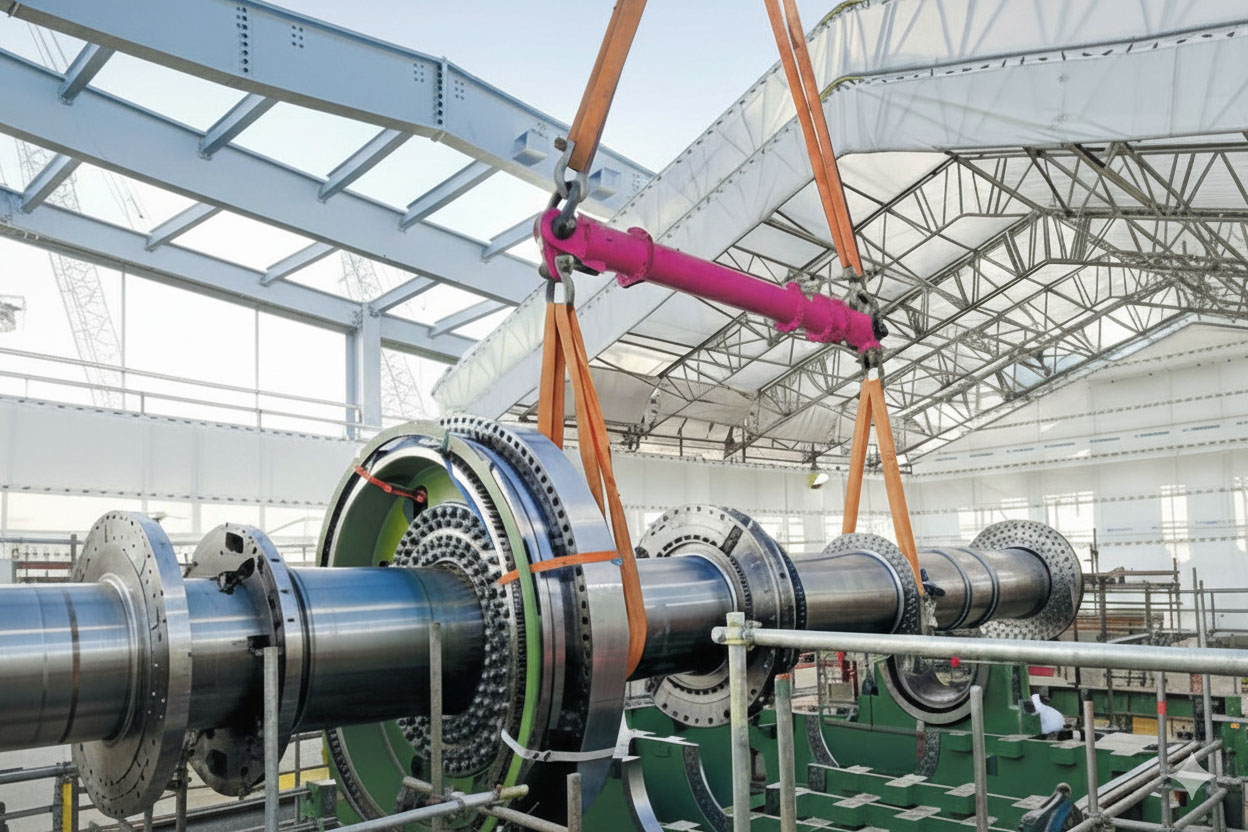
Heavy Engineering
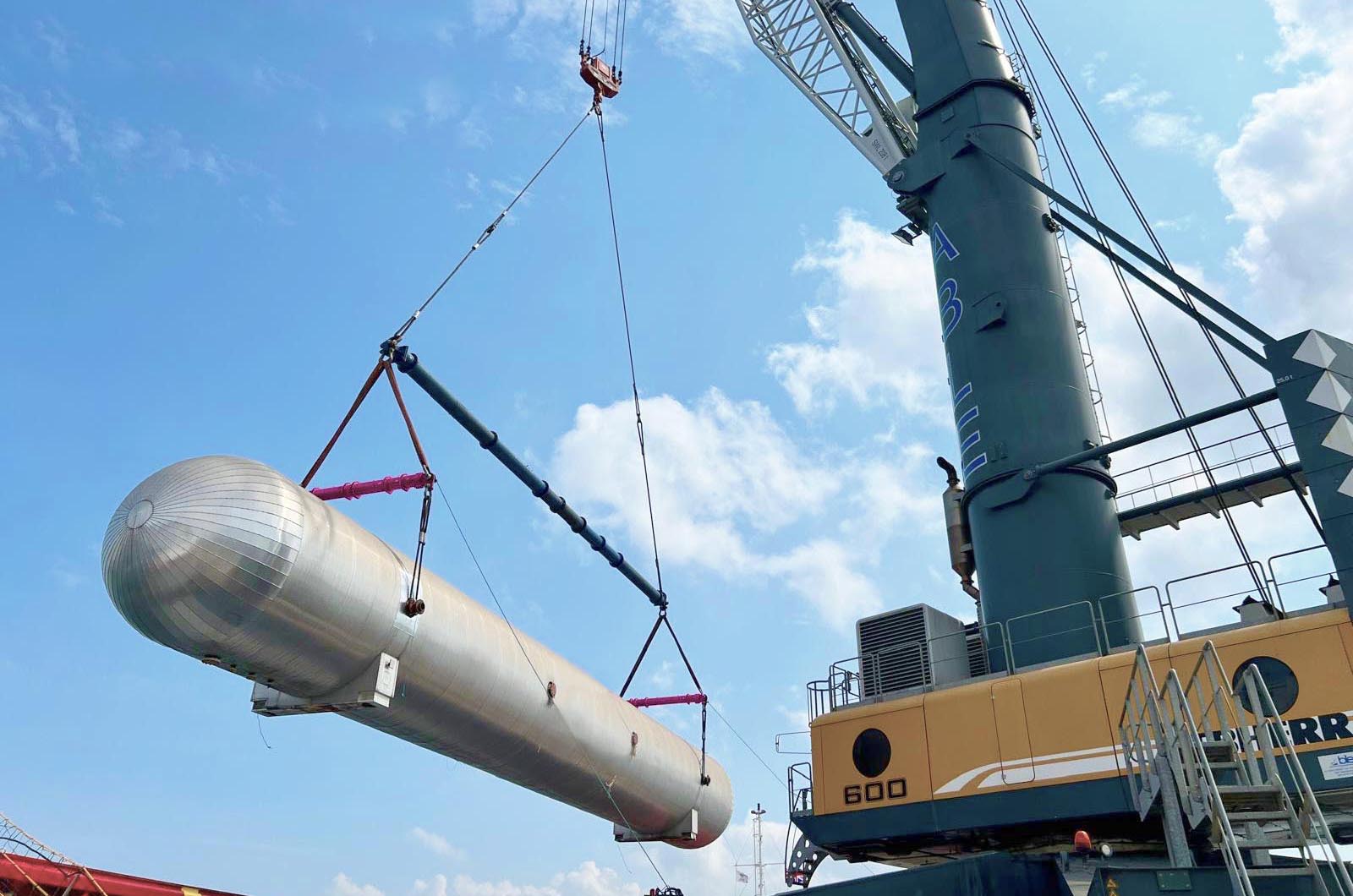
Used for lifting machinery, fabricated components, pressure vessels, transformers and industrial equipment where load stability is essential.
Although lifting requirements vary between industries, the objective is usually the same: distribute lifting forces safely across multiple lifting points, reduce stress on the load and improve control throughout the lifting operation.
Understanding Spreader Beam Capacity
Selecting a spreader beam involves more than matching the beam’s Working Load Limit to the weight of the load. Span, sling angle, lifting geometry, connection points and beam configuration can all affect the allowable capacity of the lifting arrangement.
As the span increases, the capacity of many spreader beam systems can reduce. Sling angle is also important because it affects the forces transferred through the top slings, beam and lifting points.
For this reason, spreader beam capacity should always be checked against certified load data before a lift is planned or carried out.
View Spreader Beam Capacity Chart