Spreader Beam Capacity Chart

Typical WLL and span guide for modular spreader beams

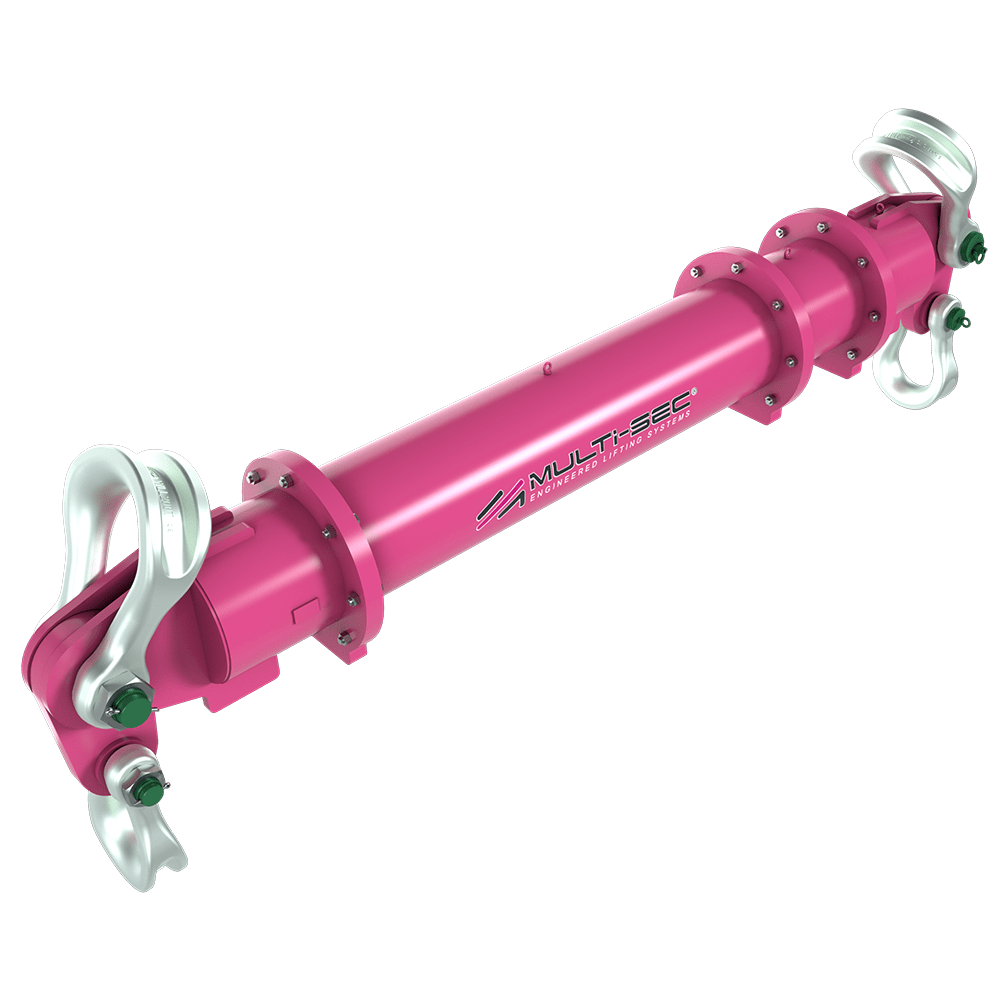
A spreader beam capacity chart shows the typical working load limit (WLL) and maximum span for different spreader beam models. It helps engineers and lifting professionals compare beam sizes and identify a suitable modular spreader beam configuration before final engineering review.

What Does a Spreader Beam Capacity Chart Show?

A spreader beam capacity chart shows:

  • Typical working load limit (WLL)
  • Typical maximum span
  • Differences between beam models
  • Which model may suit a particular lifting application

ModelMax WLLMax SpanBest For
Multi-1313T7.75mCompact heavy lifts
Multi-2525T9.25mGeneral fabrication
Multi-5050T12mOffshore & industrial
Multi-7575T15mLarger structures
Multi-110110T18mOffshore wind
Multi-170170T19.5mCritical lifts
Multi-250250T22mHeavy lift projects
This chart is a guide only. Final beam selection must be confirmed against the approved configuration, sling arrangement and certified engineering calculations.

How to Use a Spreader Beam Capacity Chart

To use a spreader beam capacity chart, first identify the required working load limit (WLL), then compare the available span for each model. Final beam selection should also consider sling angles, lift geometry and whether the lift is onshore or offshore.

How to Choose the Right Spreader Beam Capacity

Working Load Limit (WLL): The required WLL should exceed the total load, including the lifted item and any rigging used in the lifting arrangement.

Span: Increasing span typically reduces the available capacity of a spreader beam. Always ensure the chosen configuration remains within approved limits.

Sling Angles: Sling angle directly affects the forces within the system. Shallower angles can increase loading and reduce effective capacity.

Spreader Beam vs Lifting Beam Capacity

Spreader beams work primarily in compression and are typically used where there is sufficient headroom. They help control sling angles and maintain load stability during lifting.

Lifting beams are more commonly used where headroom is restricted, with the load suspended from a central lifting point beneath the beam.

Choosing between the two depends on lift geometry, available headroom and how the load needs to be controlled.

Need Help Selecting a Spreader Beam?

Speak to our engineering team for guidance on selecting the correct beam and configuration.

Speak to an Engineer

How to Choose the Right Spreader Beam Capacity

Selecting the correct spreader beam capacity depends on more than just the required load. The lifting configuration, span and sling arrangement all affect the final working load limit.

Working Load Limit (WLL)

The required WLL should always exceed the total load being lifted, including any rigging. This is the starting point for selecting the correct beam.

Span

As span increases, the available capacity of a spreader beam typically reduces. Modular systems allow span adjustment, but configurations must remain within certified limits.

Sling Angles

Sling angle has a direct impact on loading. Shallower angles increase the forces within the system and can reduce effective capacity. Always consider sling geometry during selection.

Spreader Beam vs Lifting Beam Capacity

Spreader beams and lifting beams behave differently under load, which affects how capacity is applied in practice.

Spreader beams primarily work in compression and are typically used where there is sufficient headroom. They are ideal for controlling sling angles and maintaining load stability.

Lifting beams are more commonly used where headroom is restricted, and the load is suspended directly beneath a central lifting point.

Choosing between the two depends on the lift geometry, available headroom and how the load needs to be controlled.

Request A Quote

Multisec
Privacy Overview

This website uses cookies so that we can provide you with the best user experience possible. Cookie information is stored in your browser and performs functions such as recognising you when you return to our website and helping our team to understand which sections of the website you find most interesting and useful.