Rigging Geometry Guide
How Sling Angles Affect Spreader Beam Capacity
Understand why sling angle changes the forces in a lifting arrangement and why spreader beam capacity must always be checked against the approved configuration and load chart.
By Multisec · Purchasing and engineering guidance
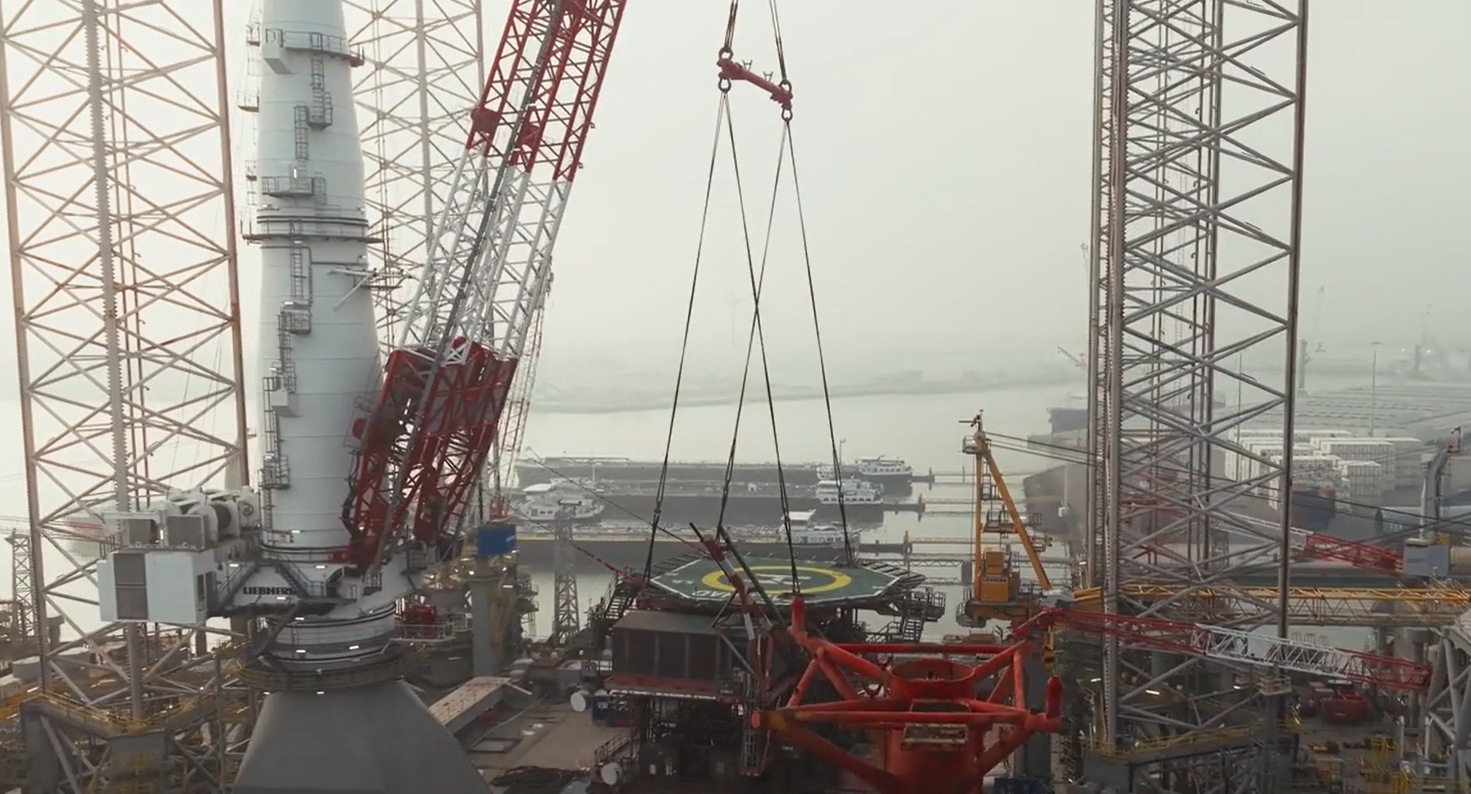
Sling angle changes the force carried by the slings and the forces transferred into a spreader-beam system. As a sling becomes shallower, sling tension can increase significantly. Final selection should therefore use the manufacturer load chart for the exact beam span and approved sling arrangement, not capacity alone.
Why Angle Matters
Shallower Slings Increase Tension
When a sling moves further away from the vertical, a larger sling force is needed to provide the same vertical lifting component. That increased force is transferred into shackles, lifting points and the spreader system.
This is why a spreader beam cannot be selected from WLL alone. The approved data needs to cover the actual span and upper sling geometry used for the lift.
Some technical documents state angle from vertical, while others state angle from horizontal. Multisec data may use sling-to-vertical references such as STV. Always confirm the convention printed on the specific load chart before comparing values.
Span + Geometry
Span And Sling Angle Work Together
Changing beam span moves the upper connection points and can change the sling geometry for a fixed crane-hook height. A longer span may therefore affect both structural demand in the beam system and the force carried by the top rigging.
For modular systems, the allowable WLL can vary between configurations. Use the load chart for the exact model, assembled length and approved sling arrangement rather than extrapolating from a shorter configuration.
| Input | Why it matters |
|---|---|
| Total lifted load | Establishes the vertical load the system must support, including applicable rigging as required by the lift plan. |
| Beam span | Changes member loading and the geometry between lifting points. |
| Top sling angle | Affects sling tension and the forces transferred into the beam ends. |
| Lower rigging | Controls how load is delivered into the beam and lifted item. |
| Centre of gravity | Can create unequal reactions where the load is not symmetric. |
Before The Lift
Five Checks Before Using A Load Chart
- Confirm you have the correct beam model and current technical data.
- Confirm the actual assembled span or configuration.
- Confirm whether the stated angle is measured from vertical or horizontal.
- Check that the proposed shackles, slings and end connections match the approved arrangement.
- Where geometry or load sharing is uncertain, obtain engineering review rather than interpolating outside approved data.
Frequently Asked Questions
Common Questions
Does a shallower sling angle increase sling tension?
Yes. For a given lifted load, a shallower sling generally results in higher sling tension. This is why the approved sling angle and load chart are important when selecting a spreader beam configuration.
Can I use one spreader beam capacity at every sling angle?
No. Available capacity can change with span, sling geometry and beam configuration. Use the certified data for the actual arrangement.
What does STV mean in lifting geometry?
STV is commonly used to describe the sling-to-vertical angle. Always confirm the angle convention used on the relevant Multisec load chart or technical data before comparing configurations.
Engineering Support
Need Help With A Real Lift?
Send the load, span, lifting points, available headroom and any drawings. Multisec can review the requirement and identify the most suitable standard or bespoke route.