
LIFTING GUIDE

Offshore Lifting Equipment

A Complete Guide to Offshore Lifting Equipment, Standards, Certification & Applications
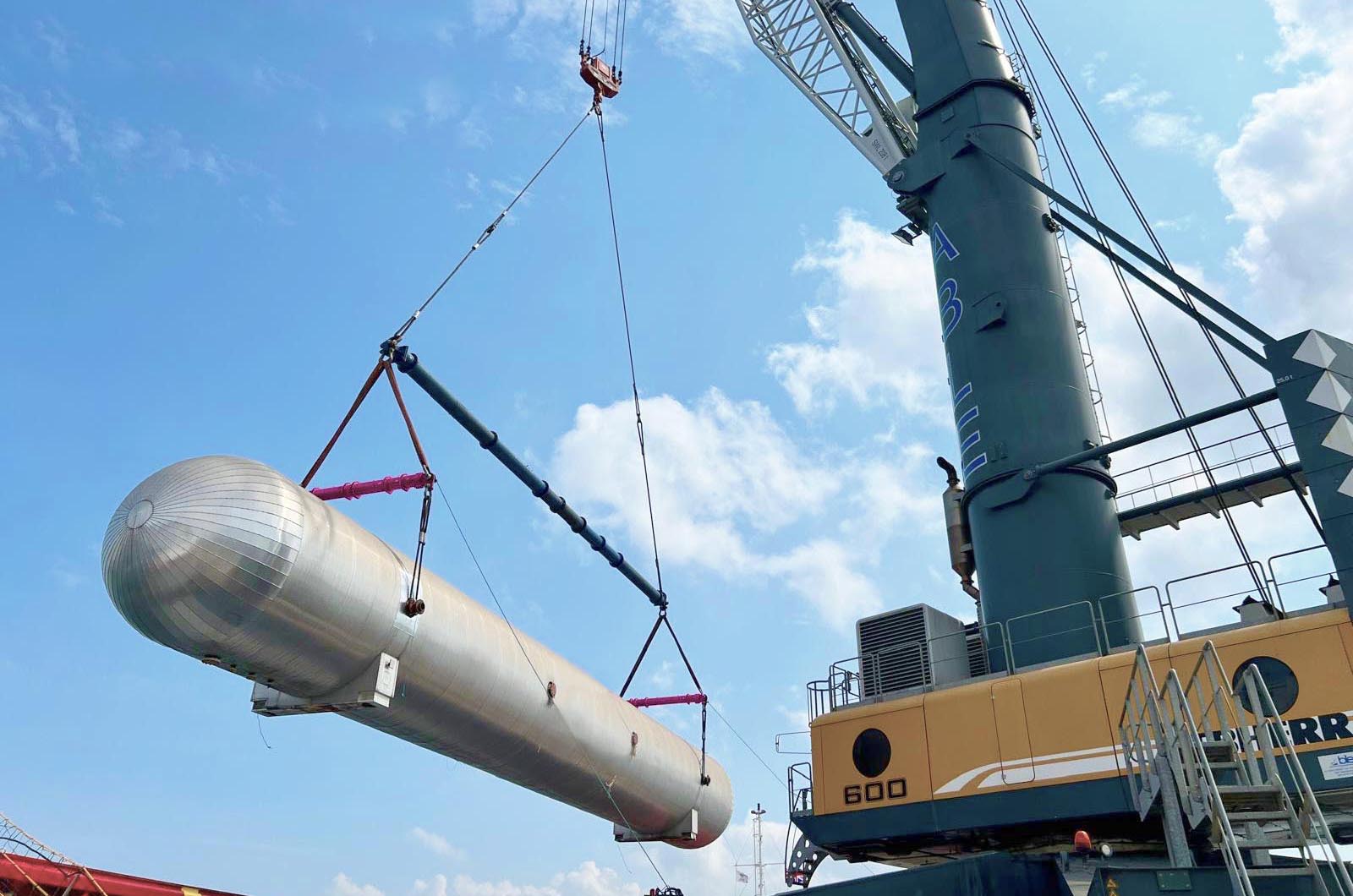
Offshore lifting equipment used during heavy lifting operations

Offshore lifting equipment refers to engineered lifting systems used in offshore wind, marine construction, oil and gas, and heavy lifting projects where standard lifting equipment may not be suitable.

These systems are designed to safely manage dynamic loading, environmental exposure, restricted lifting configurations and complex load paths while complying with recognised standards such as DNV-ST-0378 and BS EN 13155.

This guide explains the different types of offshore lifting equipment, offshore lifting standards, certification requirements and how to select the right lifting solution for offshore projects.

What Is Offshore Lifting Equipment?

Engineered lifting systems designed for demanding offshore environments

Offshore lifting equipment refers to engineered lifting systems used in offshore wind, marine construction, oil and gas, port operations and other heavy lifting environments where standard lifting equipment may not be suitable.

Unlike conventional lifting equipment, offshore lifting systems must safely manage dynamic loading, environmental exposure, restricted lifting configurations and complex load paths while maintaining stability and control throughout the lift.

These offshore lifting solutions are commonly used to lift monopiles, transition pieces, nacelles, offshore modules, subsea structures and other large fabricated components.

Offshore Wind Monopiles, transition pieces, nacelles and tower sections
Oil & Gas Modules, skids, process equipment and subsea structures
Marine Construction Heavy fabricated structures and marine infrastructure
Ports & Infrastructure Port equipment, bridge components and civil engineering projects
Offshore Wind Projects

Offshore Wind Lifting Equipment

Offshore wind projects continue to push lifting equipment to new limits. Larger turbines, heavier foundations and increasingly complex installation requirements demand engineered lifting systems capable of handling some of the industry's most challenging lifts.
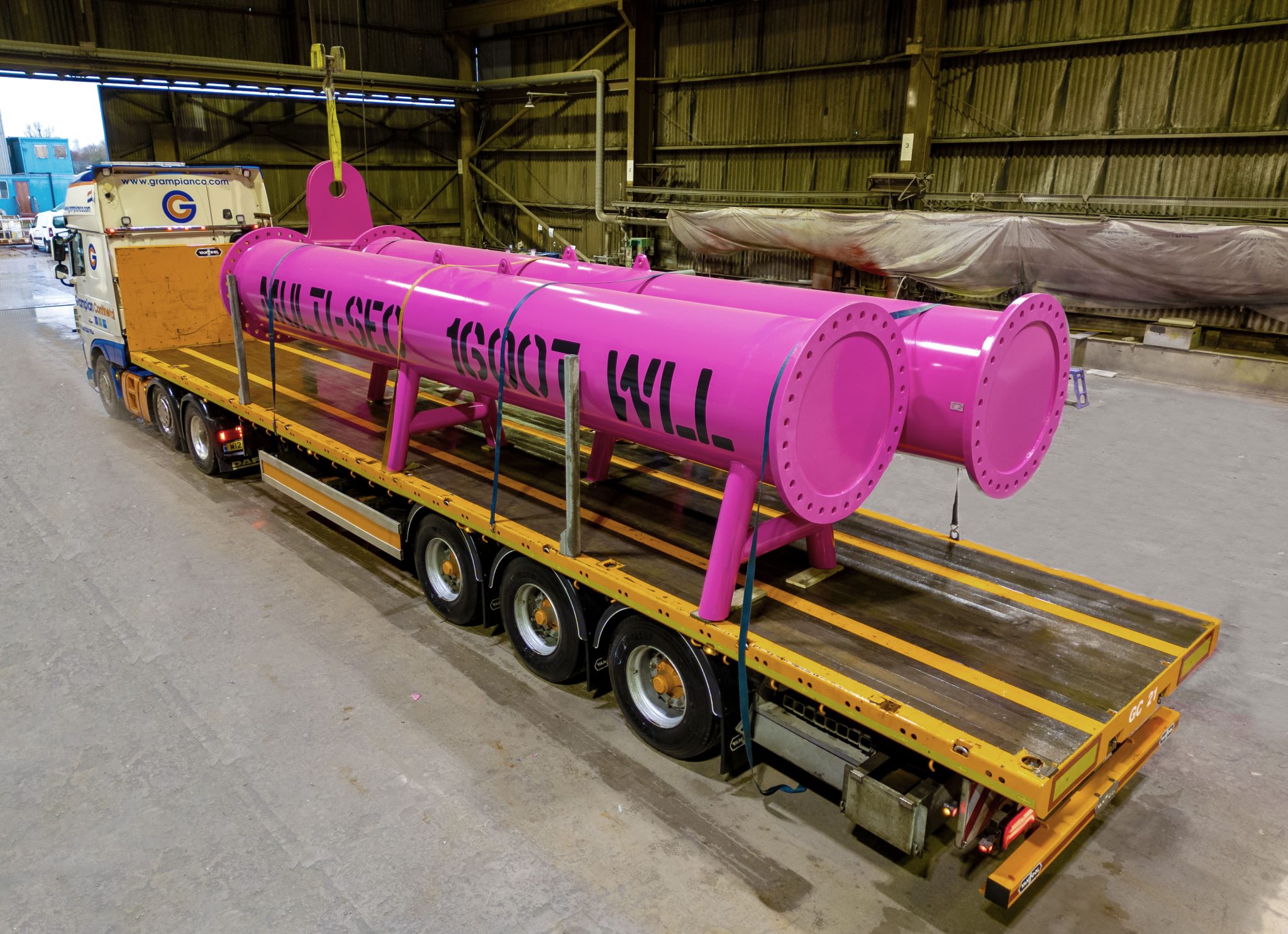
1600 tonne offshore wind lifting operation

Engineered for Large-Scale Offshore Wind Installations

Offshore wind developments require specialist lifting equipment capable of safely handling monopiles, transition pieces, nacelles, tower sections and other large fabricated structures.

As turbine sizes increase, lifting systems must provide greater load control, improved stability and the flexibility to adapt to different installation requirements.

Modular spreader beams, lifting beams, spreader frames and bespoke lifting systems are commonly used throughout offshore wind projects to maintain safe load distribution and reduce stress on critical components.
Monopile Installation Controlled lifting of offshore wind foundations.
Transition Pieces Stable multi-point lifting arrangements offshore.
Nacelle Lifting Managing varying centres of gravity safely.
Tower Sections Handling increasingly large turbine components.
Standards, Testing & Certification

Offshore Lifting Compliance & Certification

Offshore lifting equipment must satisfy strict requirements covering design, manufacture, inspection, testing and documentation. These processes help ensure lifting systems can safely operate in demanding marine environments while meeting project and regulatory requirements.

DNV-ST-0378

One of the most widely recognised offshore lifting standards, governing the design, verification, testing and certification of offshore lifting appliances and engineered lifting systems.

Read DNV-ST-0378 Guide →

BS EN 13155

European standard covering non-fixed load lifting attachments, including lifting beams, spreader beams and lifting frames.

LOLER Inspections

Regular inspection helps verify lifting equipment remains safe, compliant and suitable for continued use throughout its service life.

Engineering & Testing Support

Offshore projects frequently require proof load testing, engineering review, lift planning and certification support before equipment can be deployed.

Typical Offshore Lifting Documentation

Offshore projects often require extensive supporting documentation to satisfy project specifications, audits and certification requirements.

Load Charts Configuration capacities
GA Drawings General arrangement drawings
Proof Load Certificates Verification testing records
Material Certificates Full traceability records
User Manuals Operating instructions
Declarations of Conformity Compliance documentation
Trusted Engineering Partner

Supported by Durham Lifting

Multisec lifting systems are manufactured and supported by Durham Lifting, providing access to engineering expertise, lifting equipment inspection, proof load testing capability and project support through Britannia Test House.
Visit Durham Lifting
Equipment Selection

How to Choose Offshore Lifting Equipment

The correct offshore lifting solution is rarely determined by capacity alone. Engineers must consider the load, lifting geometry, environmental conditions, certification requirements and project constraints.

Load Weight & WLL

Confirm the total load weight, required working load limit and relevant safety factors.

Lift Geometry

Review lifting point locations, span, sling angles, headroom and centre of gravity.

Environmental Conditions

Consider wind, vessel movement, corrosion exposure and dynamic loading offshore.

Certification Requirements

Check whether the project requires DNV, proof load testing, LOLER inspection or full traceability.

Modular or Bespoke

Decide whether a modular lifting system can be configured or if a bespoke engineered solution is required.

Future Use

Consider whether the equipment needs to support multiple lift configurations across future projects.

Engineering guidance matters.

Offshore lifting equipment should always be selected against the lift plan, load chart, lifting arrangement and applicable project standards.

FAQs

Offshore Lifting Equipment FAQs

What is offshore lifting equipment?

Offshore lifting equipment includes engineered lifting systems such as spreader beams, lifting beams, lifting frames and rigging assemblies designed for marine and offshore lifting operations.

What standards apply to offshore lifting equipment?

Common standards include DNV-ST-0378, BS EN 13155 and LOLER requirements, depending on the equipment type, project specification and operating environment.

What is DNV-ST-0378?

DNV-ST-0378 is an offshore lifting standard covering the design, manufacture, testing and certification of lifting appliances used in offshore environments.

Who supplies offshore lifting equipment in the UK?

Multisec supplies offshore lifting equipment and engineered offshore lifting solutions for offshore wind, marine and heavy lifting projects throughout the UK and internationally.

What should I look for in an offshore lifting equipment supplier?

When selecting an offshore lifting equipment supplier, consider engineering capability, compliance with recognised standards, testing facilities, certification support and experience with offshore projects.

What is offshore lifting certification?

Offshore lifting certification may include design verification, proof load testing, inspection records, material traceability and documentation demonstrating compliance with recognised standards such as DNV-ST-0378.

What lifting equipment is used for offshore wind projects?

Offshore wind projects commonly use modular spreader beams, lifting beams, spreader frames, multi-point lifting beams and bespoke lifting systems for monopiles, transition pieces, nacelles and tower sections.

Do offshore lifting beams require certification?

Yes. Offshore lifting beams normally require appropriate design verification, inspection, testing and certification before use, depending on the project and applicable standards.

What is proof load testing?

Proof load testing verifies the structural integrity and performance of lifting equipment by applying a controlled test load before the equipment is placed into service.

How often should offshore lifting equipment be inspected?

Inspection frequency depends on LOLER requirements, project specifications, equipment type and operating conditions. Equipment should always be inspected by a competent person.

What documentation is required for offshore lifting equipment?

Typical documentation may include load charts, GA drawings, user manuals, material certificates, proof load certificates, inspection records and declarations of conformity.

Can offshore lifting equipment be custom designed?

Yes. Bespoke offshore lifting equipment is often required when standard lifting beams, spreader beams or frames cannot safely support the load geometry or project requirements.

Offshore Lifting Solutions

Speak to an Engineer About Your Offshore Lift

Whether you are planning a monopile installation, marine construction project, offshore wind lift or complex heavy lifting operation, our engineering team can help define the right offshore lifting solution.

Multisec
Privacy Overview

This website uses cookies so that we can provide you with the best user experience possible. Cookie information is stored in your browser and performs functions such as recognising you when you return to our website and helping our team to understand which sections of the website you find most interesting and useful.