Assembly Guide
How To Assemble A Spreader Beam
A practical overview of the checks that should happen before, during and after assembling a modular spreader beam for an approved configuration.
By Multisec · Purchasing and engineering guidance
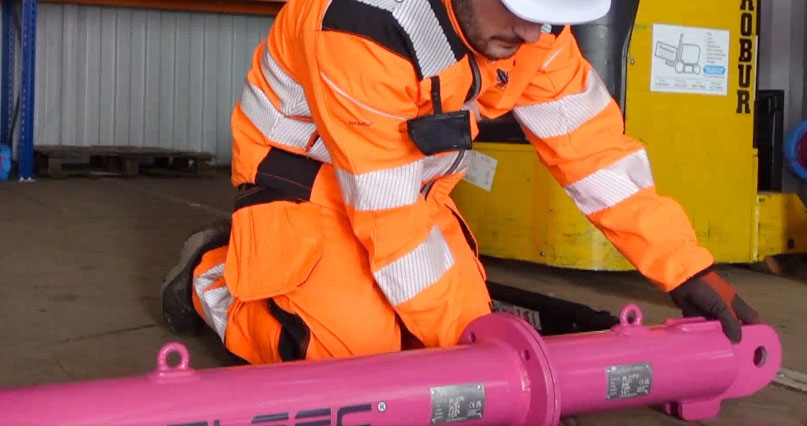
Assembly should start from the approved configuration for the required model and span. Confirm the correct components, connection hardware, end units and rigging interfaces before applying load, then complete the required pre-use checks and documentation.
Before Assembly
Confirm The Exact Approved Configuration
Identify the spreader-beam model and the required span before laying out components. Check the relevant instructions and approved configuration data so the strut combination, end units, drop links and connection hardware all belong to the intended arrangement.
- Confirm the model and equipment identification.
- Confirm the required span and approved strut combination.
- Check that end units, drop links, pins, bolts and other connection hardware are the specified components.
- Inspect the parts for visible damage, deformation, corrosion or missing identification before assembly.
Assembly Sequence
Build The Beam In A Controlled Order
Lay the components out on a stable working area in the order shown by the approved configuration. Bring mating components together without forcing alignment, install the specified connection hardware and complete any required tightening or locking checks in accordance with the product instructions.
Do not substitute components or create an unlisted combination to achieve a convenient length. If the required span is not covered by the available approved arrangement, stop and refer the requirement for technical review.
Rigging & Pre-Use Checks
Check The Complete Lifting Arrangement
After assembly, confirm the beam identification, span, upper and lower connection points, shackles, slings and intended load match the applicable approved data. Check that the rigging is compatible with the equipment and that the planned lift does not rely on an unverified sling angle or lifting-point arrangement.
A pre-use check does not replace any required thorough examination, inspection scheme or project-specific verification.
Stop Conditions
Do Not Guess When Something Does Not Match
Do not use the beam if identification is unclear, parts are damaged, connection hardware is missing or the required configuration cannot be verified. Refer the equipment to the responsible competent person or Multisec before use.
Frequently Asked Questions
Common Questions
Can I combine spreader-beam components to create any span?
No. Use only the component combinations and span arrangements covered by the approved product data and instructions for the relevant model.
Should bolts or pins be substituted if the originals are unavailable?
No. Connection hardware is part of the approved system. Use the specified components and refer any uncertainty to the manufacturer or competent person.
What should be checked after assembly?
Confirm identification, configuration, connection security, visible condition, rigging compatibility and that the planned lift is within the approved data for the assembled arrangement.
Engineering Support
Need Help With A Real Lift?
Send the load, span, lifting points, available headroom and any drawings. Multisec can review the requirement and identify the most suitable standard or bespoke route.