Offshore Lifting Guide
Offshore Lifting Beams
How to approach lifting-beam selection for offshore and marine projects, including load geometry, environment, certification scope, project documentation and when a bespoke engineered route is required.
By Multisec · Purchasing and engineering guidance
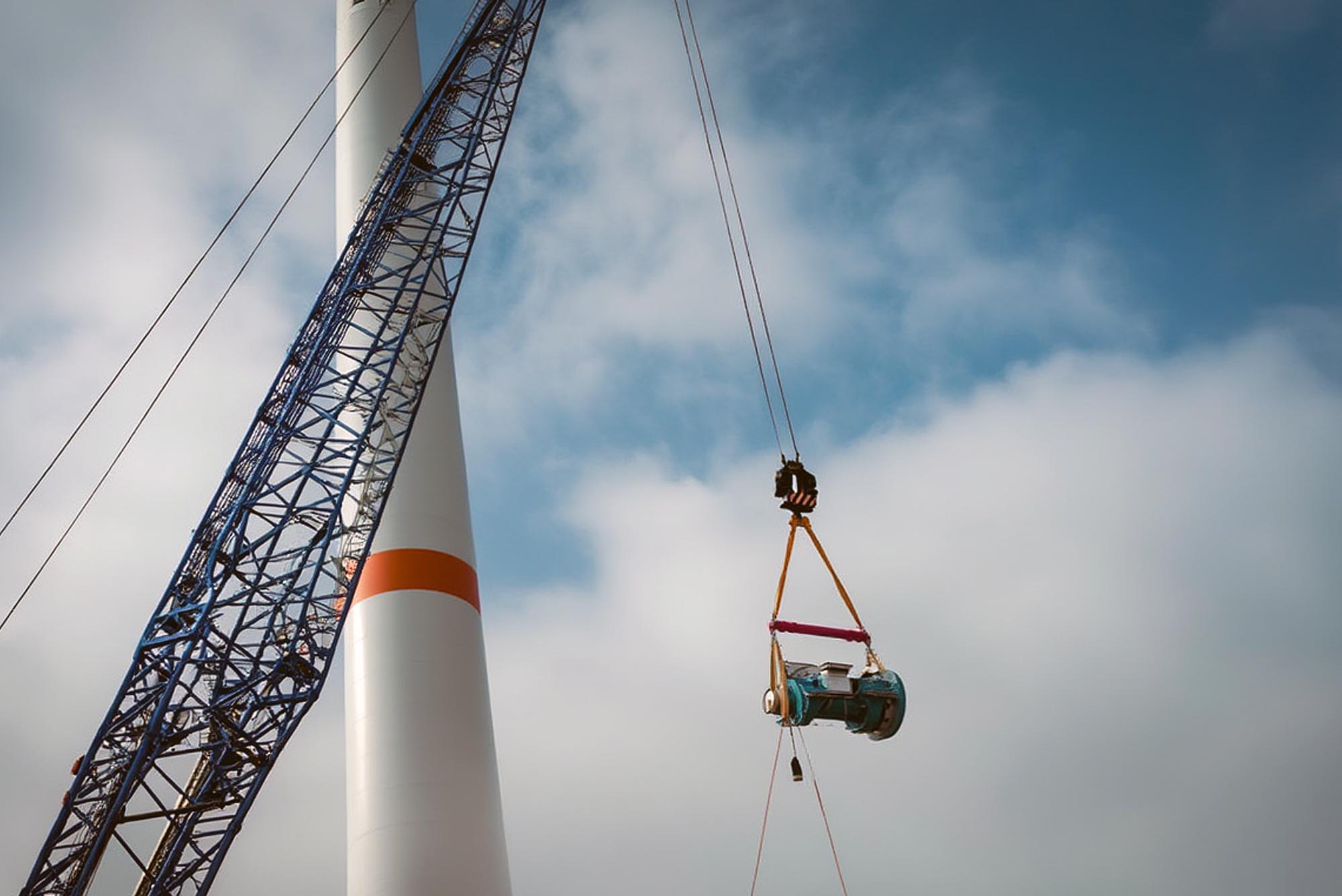
An offshore lifting beam has to be selected around the actual load path, lifting points, headroom, environment and project certification requirements. Do not assume that a generic offshore label or a DNV logo applies to every product or every configuration.
Project Inputs
Offshore Beam Selection Starts With The Load Path
Define the load weight, lifting-point positions, span, centre of gravity, crane connection and available headroom. Offshore lifts can also be constrained by vessel or platform geometry, handling restrictions, transport, environmental exposure and project documentation requirements.
The correct beam route depends on the complete arrangement rather than a generic offshore product label.
Environment & Handling
Consider The Conditions Around The Lift
Marine and offshore projects can introduce corrosion exposure, repeated handling, restricted deck space, connection constraints and project-specific inspection requirements. These conditions should be identified at the enquiry stage so they can be considered alongside capacity and geometry.
| Project information | Why it matters |
|---|---|
| Load and lifting points | Defines the structural load path and lower connection geometry. |
| Headroom and crane connection | Influences the upper rigging arrangement and whether a compact lifting beam is preferable. |
| Environment | May affect material, coating, inspection and project specification requirements. |
| Certification scope | Must be agreed for the actual equipment and project rather than assumed from a generic logo. |
| Testing and documentation | Should be defined before manufacture or supply so the required records can be planned. |
DNV & Certification
Read The Scope, Not Just The Logo
The Multisec Multi-13 to Multi-250 modular spreader beam range holds DNV Type Approval to DNV-ST-0378. That approval belongs to the defined modular spreader-beam range and should not be presented as a blanket approval for every lifting beam, frame or bespoke product.
For a bespoke offshore lifting beam, agree the applicable certification, testing and documentation route during the project review.
Standard Or Bespoke
Use Standard Equipment Where The Approved Geometry Fits
A standard lifting system can be the most efficient route where the required load, span, lifting points and headroom sit within an approved configuration. Where those inputs do not align, a bespoke lifting beam may be required.
Send the latest load drawing, weight, lifting-point coordinates, available headroom, crane connection, environment, required date and the client specification where available.
Frequently Asked Questions
Common Questions
Does every Multisec offshore lifting beam have DNV Type Approval?
No. DNV Type Approval applies to the Multisec Multi-13 to Multi-250 modular spreader beam range. Certification for other lifting beams or bespoke equipment must be confirmed for the specific product and project.
What project information is needed for an offshore lifting beam?
Provide the load weight, dimensions, lifting-point locations, centre-of-gravity information, headroom, crane connection, environment, project specification and any certification or documentation requirements.
When is a bespoke offshore beam required?
A bespoke route may be needed when the load geometry, capacity, headroom, connection arrangement, environment or project certification cannot be met by an approved standard configuration.
Engineering Support
Need Help With A Real Lift?
Send the load, span, lifting points, available headroom and any drawings. Multisec can review the requirement and identify the most suitable standard or bespoke route.